



In today's world, the influence of social media and word of mouth is increasing, causing major changes in consumer purchasing behavior.
It is becoming difficult to differentiate through traditional advertising and price competition alone, and the presence of "fans" has become essential for brand growth.
Fans who are attached to a brand and actively communicate with it can be said to be the brand's most powerful marketing asset
In this article, we will introduce a wide range of topics, from the basic concepts of fan marketing to its importance, common methods, and even corporate success stories
We will also explain new approaches using AR (Augmented Reality), which has been gaining attention in recent years, and provide tips for deepening relationships with fans
Contents
Basic Concepts of Fan Marketing

Fan marketing is a marketing strategy
This is a marketing method that focuses on a group of people known as "fans" who have a strong attachment to and empathy for a brand, product, or service, and develops relationships with them
While traditional customer marketing aims to get customers to buy, fan marketing emphasizes building long-term relationships and cultivating brand advocates
While customers are easily influenced by price and convenience, fans strongly identify with the brand's worldview and values and tend to continue choosing the brand even if there is a slight price difference or inconvenience.Furthermore
, fans voluntarily spread word-of-mouth and create UGC (user-generated content), thereby influencing other potential customers.
These fans go beyond being mere "repeat customers" and contribute to the brand as "ambassadors" and "collaborators."
In today's competitive environment, it is becoming increasingly more effective to cultivate a fan base and encourage natural spread of information than to invest in advertising
1. The difference between customers and fans
The first thing to understand is that "customers" and "fans" are similar but not the same thing
| Customer | A person who purchases goods and services, making choices based primarily on rational criteria such as price and functionality |
| Fan | A person who has an emotional attachment to a brand or service and voluntarily supports and promotes it |
Customers are easily influenced by the market environment and competitors, and even if they achieve results in the short term, this is unlikely to lead to continued support. In contrast, fans have a sense of "loyalty" to the brand and tend to continue to choose the brand even if there are some inconveniences or price differences
2. Characteristics of Fans
The characteristics of the fans can be summarized as follows:
- Emotional connection: They identify with the brand's worldview and philosophy
- Communication: Share your experiences on social media and in communities to generate organic word-of-mouth
- Participation: Willingness to actively participate in product development and events
- Sustainable support: Not just a one-time purchase, but continuing to purchase and use over the medium to long term
In other words, fans are not only a "supporter of sales" for a company, but also "a presence that spreads brand value without the need for advertising expenses."
3. Relationships between fans and companies
Traditional marketing has focused on a one-way relationship between company and customer,
but fan marketing emphasizes two-way communication between companies and fans, building a co-creative relationship.
For example, by incorporating fan feedback into product improvements and exchanging opinions in the community, fans can feel like they are part of the brand
This "co-creation experience" will help develop fans into stronger supporters
4. Why Fan Marketing is Gaining Attention
Here are some reasons why fan marketing is so important today:
- Information overload: People are trusting advertising less and relying more on word of mouth and reviews
- The spread of social media: Consumers have become the source of information, dramatically increasing the ability to spread information
- Increasing competition: It has become difficult to differentiate from other companies, and emotional value has become important
- Securing medium- to long-term profits: Improving LTV determines the stability of corporate management
In this way, fan marketing is not just a fad, but an "inevitable strategy" for companies to achieve stable growth
Many companies are beginning to proactively address this issue as part of their company policies
The Importance and Benefits of Fan Marketing

1. The Limitations of Advertising and Fan Trust
In recent years, the effectiveness of traditional advertising has been rapidly declining. Banner ads and TV commercials are often seen as "intrusive" by consumers, and click-through rates and completion rates continue to decline year by year
On the other hand, word of mouth from friends and acquaintances and real-life experiences on social media are highly trustworthy and strongly encourage purchasing behavior
The key here is the presence of "fans."
Reviews and user-generated content that fans naturally post can have an influence that surpasses corporate advertising.
2. Increase LTV (customer lifetime value)
The biggest benefit of fan marketing is increasing customer lifetime value (LTV)
Fans don't just make one-time purchases; they continue to buy products repeatedly over a long period of time
For example, even if they buy the same priced product, it costs several times more to acquire a repeat customer than a new customer.
Therefore, turning existing customers into fans and increasing their loyalty is the most efficient way to secure profits.
3. UGC diffusion effect
UGC (user-generated content) is a powerful tool in fan marketing
Content created independently by fans, such as Instagram posts, YouTube review videos, and experience sharing on TikTok, feels less like advertising and is told from a third-party perspective, earning it a high level of trust
Additionally, the spreading effect of algorithms can reach people a brand never expected
4. Co-creation by the fan community
Communities and fan meetings are important platforms for fan marketing
Companies can increase their fans' sense of co-creation by collecting opinions through surveys and questionnaires and reflecting them in their products and services
Common methods of fan marketing

Building a fan base using social media
Social media is the foundation of fan marketing.
On Twitter and Instagram in particular, the spread of UGC can greatly increase brand awareness.
It is important for companies to provide projects that make users want to participate, rather than just making unilateral announcements
Hashtag campaigns, photo contests, exclusive filters, and more can encourage users to participate and share their ideas
Combining offline and online events
For fans, events where they can directly interact with the brand have a special meaning.
Live performances, exhibitions, and experience sessions are effective ways to close the gap between the brand and its fans.
In recent years, there has been an increase in "hybrid events" that combine online streaming, allowing fans to connect beyond geographical constraints
Promotion using UGC
UGC is a key factor in determining the success of fan marketing.
To promote UGC, companies can effectively provide their fans with the joy of being officially featured.
When the brand's official account shares fan posts, fan satisfaction increases and encourages further communication
This cycle benefits both the brand and the fans
Fan marketing using AR
1. Combining social media and AR filters
AR is highly compatible with social media campaigns.
AR filters on Instagram and Snapchat make it easy for fans to try them out, naturally encouraging them to share.
This simultaneously achieves a viral effect and refines the brand experience that cannot be achieved through simple advertising
2. Value of participation and data utilization through AR experiences at event venues
AR can dramatically increase the value of events and experiential initiatives.
For example, by linking it to your owned media or website, you can collect a log of participants' behavior, which can be useful as an indicator for your initiatives while still taking into consideration the protection of personal information.
3. AR content that induces UGC
The AR experience doesn't just last, but also
lives on as UGC as fans take screenshots and videos and post them to social media,
creating long-term assets for your brand and helping you reach new customers.
4. Application to regional and tourism promotion
AR can be used not only by businesses, but also for fan marketing of local areas and tourist destinations.
When tourists come into contact with AR content that can only be experienced locally, their travel memories become special, and word of the experience spreads by word of mouth.
This system represents a new form of fan marketing with the theme of "travel and local community."
Success stories and the potential of AR
5-1. Successful examples of fan marketing
①Starbucks: Strengthening the brand through community and co-creation
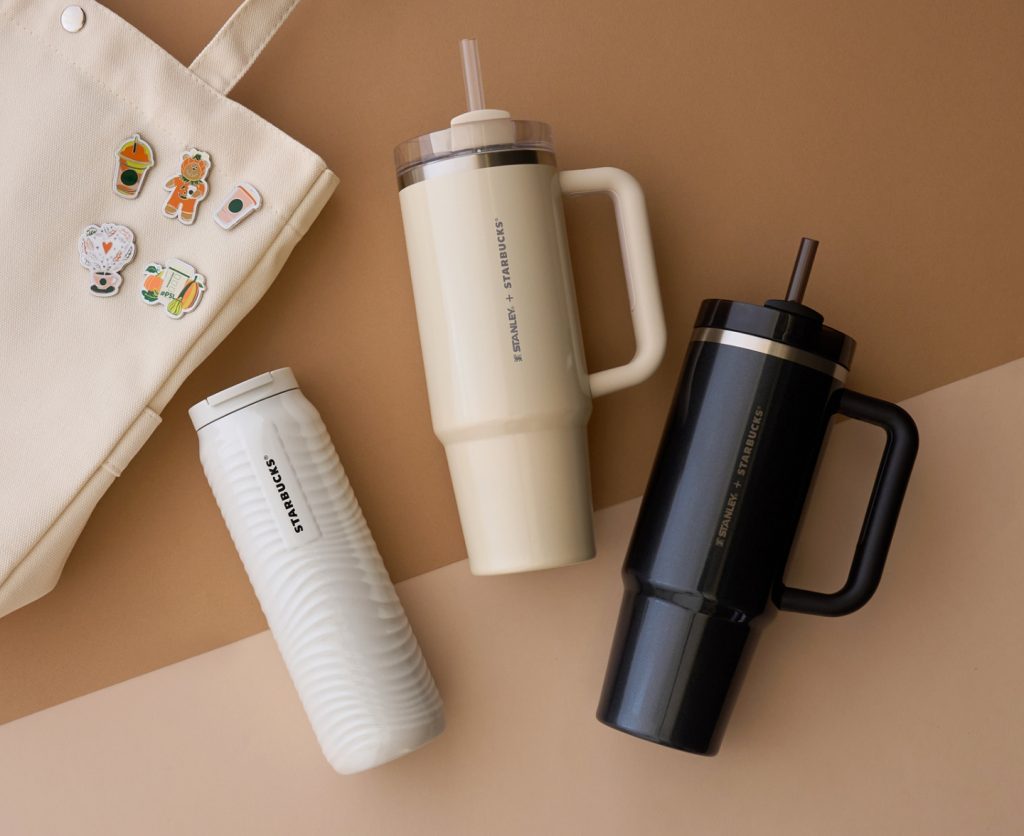
Starbucks has evolved from a place that serves coffee to a place that provides a lifestyle experience
What makes their fan marketing unique is that it goes beyond simply promoting sales and places emphasis on building a community with customers
For example, we increase customer satisfaction by developing limited menu items based on fan feedback and producing original merchandise
Furthermore, the campaign, which was run through social media, saw UGC, in which fans shared photos they had taken themselves, spread around the world, generating results that exceeded advertising costs
Combining this with AR makes it possible to create even more immersive promotions, such as store-exclusive AR filters and latte art experiences using AR
Source: https://www.starbucks.co.jp/seasonal-goods/?nid=tbn_03#autumn
② Sanrio: Strengthening brand love through fan participation events
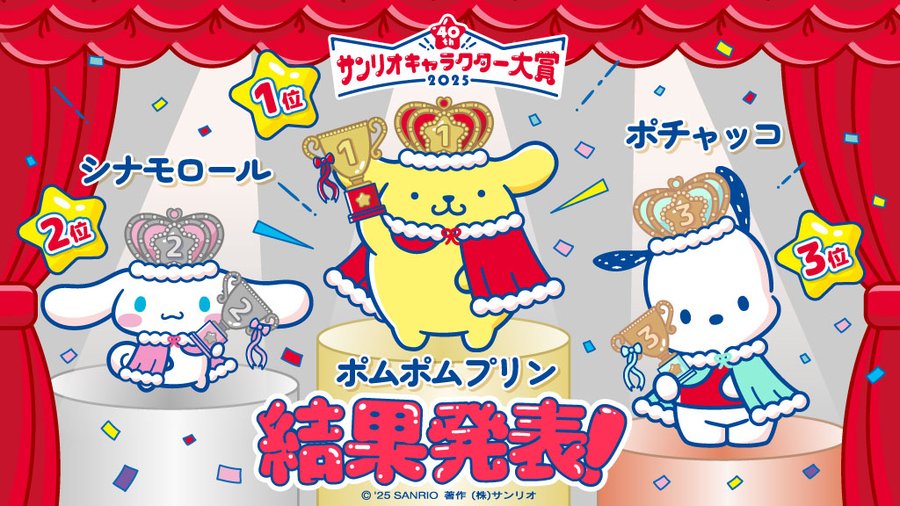
For many years, Sanrio has developed a system that allows fans to participate in brand activities through character popularity polls and fan events
At the annual Sanrio Character Awards, fans vote for their favorite characters, and the results are reflected in product development and promotions
This two-way approach elevates fans from mere consumers to supporters and co-creators, further deepening their attachment to the characters
By combining this initiative with AR, it will be possible to take photos with characters or virtually experience the event venue
These efforts will provide fans with a more immersive experience, which is expected to lead to spreading the word on social media and attracting new fans
Source: https://www.sanrio.co.jp/special/characterranking/2025/
Official X: https://x.com/sanrio_ranking
3. Yo-Ho Brewing: Engaging fans with event experiences

Yo-Ho Brewing, known for its "Yona Yona Ale," regularly holds fan events and places importance on direct interaction with customers
The event heightens fans' sense of participation through tastings of new products and sharing behind-the-scenes stories about their development. Participants can share their experiences on social media, leading to the acquisition of new fans
By introducing AR, you can provide interactive content such as a video story about a product that plays when you hold your smartphone over the event venue, or an AR stamp rally, further increasing the value of your event
Source: https://yonasato.com/event/cho_utage/?utm_source=chatgpt.com
5-2. Examples of fan marketing using AR
① Waynes Toyota Kanagawa: Creating a commemorative experience with character AR
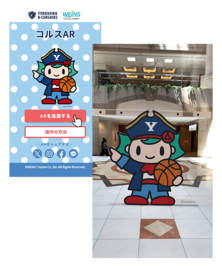
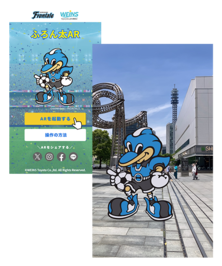
For Waynes Toyota Kanagawa's first anniversary campaign, the company provided AR character panels of "Cors" from the Yokohama B-Corsairs and "Fronta" from Kawasaki Frontale, teams it sponsors
Visitors can simply scan the QR code on the store poster to take a photo with the character at any size and angle they like, creating an original commemorative photo
The AR photo experience increased motivation to visit the store and spread the word on social media, strengthening the emotional bond between the brand and customers
Source: https://promotion.ar-works.jp/20240521-2/
② Shiseido: Enhanced fun and brand favorability through AR makeup experience

Shiseido, a major cosmetics manufacturer, is offering an "AR makeup experience service" that uses smartphones
Through the app, users can virtually try on lipsticks and eyeshadows on their own faces, allowing them to easily experience cosmetics without having to visit a store
This initiative not only provided fans with the peace of mind of being able to try before they buy, but also enhanced the experience for them by creating the fun of trying things out
Furthermore, the mechanism to encourage sharing on social media spread a positive image of the brand, which ultimately led to increased brand favorability
3. IKEA: Refine the buying experience with AR furniture simulation

IKEA, the global furniture brand, has introduced an AR feature to its smartphone app, IKEA Place
By holding their smartphone over their living room or bedroom, users can simulate the actual arrangement of furniture
This experience not only provided the peace of mind of being able to check whether the size and color would fit the room, but also created the fun of trying it out
Fans take screenshots of their favorite layouts and share them on social media, naturally spreading the word
As a result, IKEA was able to alleviate concerns about online purchasing and also expand its reach to new customers by allowing fans to actively share their experiences with the brand
Source: https://www.ikea.com/jp/ja/customer-service/mobile-apps/
Key points to consider when introducing AR
merit
① Achieving differentiation
By adding "experiential surprises" to traditional advertising and events, you can differentiate yourself from your competitors
② Strengthening the ability to spread information
AR experiences stimulate the desire to show and share, naturally generating UGC and making them more likely to spread on social media
3) Possibility of data collection
By analyzing experience logs through AR, customer behavior and interests can be visualized and used in marketing strategies
Things to be careful about
① Controlling excessive expectations
If expectations are set too high, thinking "it must be amazing because it's AR," you risk being disappointed if the actual experience falls short
② Appropriate allocation of resources
Allocating excessive resources to AR production risks neglecting other initiatives and reducing the overall effectiveness
3) Avoiding the risk of a backlash
Technical glitches or a sense of unfairness when only some users receive special benefits can spark outrage on social media, so prior testing and fair design are essential
summary
Fan marketing is a strategy that transforms customers from mere buyers into "fans who journey with the brand."
Two-way relationships through social media, UGC, and communities increase loyalty and maximize LTV, and AR is a cutting-edge means of further deepening those relationships
Utilizing AR in fan events and brand promotions can also create a "participatory and special experience," empowering fans to take the initiative in spreading the appeal of the brand
Fans will not just be buyers, but will also become ambassadors for the brand, spreading its value
If you are considering introducing AR, we recommend using "AR Works," which offers one-stop service from planning to production
Would you like to join us in creating a new form of fan marketing?
If you are considering introducing AR, we recommend "AR Works"
To effectively utilize fan marketing, the ideal production company is one that has a good balance of technical capabilities, proposal capabilities, expressive capabilities, and operational support
AR Works offers the flexibility to meet the following needs:
- I still don't know how to use AR in fan marketing, so I'd like to consult with an expert first
- We want to incorporate attractive presentations into product promotions, tourism, exhibitions, etc
- We would like to have one-stop support from effectiveness measurement and document creation.
Please feel free to contact us first!
Introducing AR Works achievements
Below is a list of materials for those who want to use AR for promotion.
You can also check examples using Web AR, Touch AR, etc.
Please feel free to download it.
Introducing AR use scenes and examples
This is a collection of AR examples that can be used in a variety of situations, from business and entertainment to world heritage sites
Introduction of AR and entertainment industry use cases
We introduce examples of promotions using AR in the entertainment industry and the benefits it offers
▼List of materials | AR Works
https://promotion.ar-works.jp/request/

![[AR experience available] The dinosaurs start moving on the spot! Examples of use of AR dinosaurs and their introduction points](https://promotion.ar-works.jp/wp-content/uploads/2025/07/icatch.jpeg)