



In recent years, we've been hearing terms like AR and VR more and more often.
AR, VR, and MR are technologies that combine the "real world" and the "virtual world," and are collectively referred to as XR.
While these technologies are often used in promotions and entertainment, many people may not understand the specific differences between them.
In this article, we'll explain how AR, VR, MR, and XR work, as well as examples of how they're used in business.
Contents
What is AR (Augmented Reality)?

AR is a technology that overlays digital content onto the real world.
By adding various information such as 2D and 3D objects, audio, video, and images to the real world through mobile devices or AR glasses, users can experience an augmented reality.
Anyone can easily experience it; simply point the camera on their smartphone or tablet at a 2D barcode or AR marker to activate AR.
Furthermore, with "Web AR," there's no need to download an AR app; all you need is a smartphone to experience AR.
If you want to know more about AR, check out these related articles:
What is VR (Virtual Reality)?
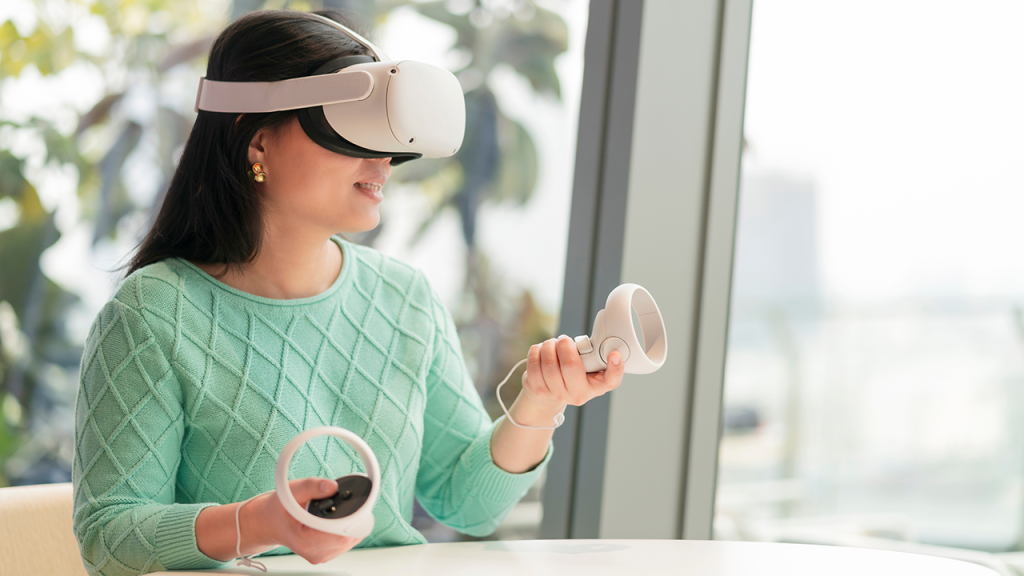
VR is a technology that allows users to enter a virtual space created by a computer. Users can experience "virtual reality," which makes the virtual space feel like the real world. It
is common to wear a dedicated head-mounted display, which allows users to enjoy an immersive experience with a 360-degree view of the virtual world.
What is MR (Mixed Reality)?
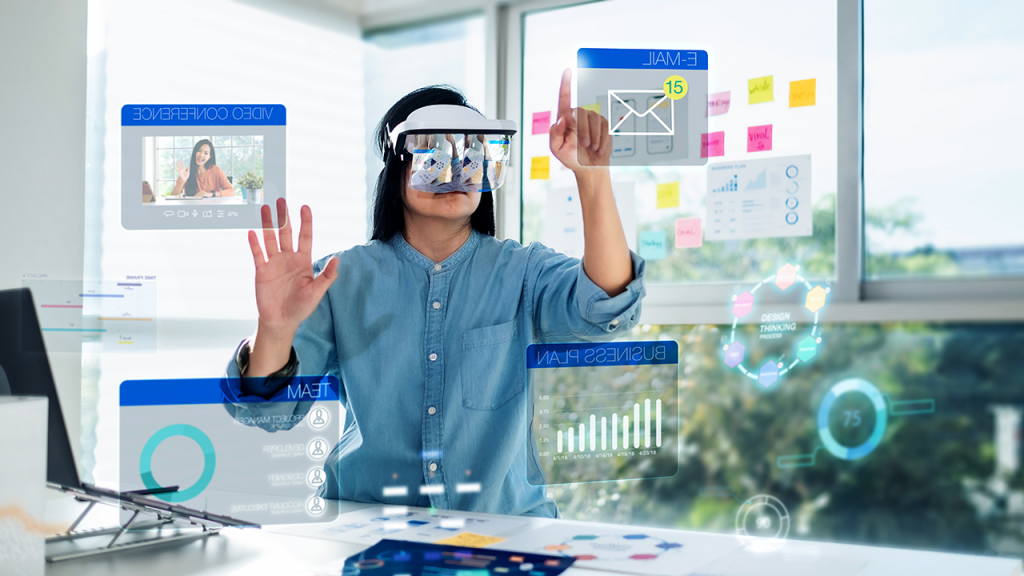
MR is a technology that allows the real world and virtual objects to interact in real time.
While AR is a technology that adds digital content to the real world, MR has a larger amount of content information, making it feel more immersive and realistic. It also makes it possible to touch and move digital objects placed in real space. For example, you can poke or push characters or objects that appear in front of you with your hands.
What is XR (Cross Reality/Extended Reality)?
XR is a technology that combines the real world and the virtual world, and is a general term for different technologies such as AR (augmented reality), VR (virtual reality), and MR (mixed reality)
| AR | Augmented Reality | Technology that overlays digital content onto the real world |
| VR | Virtual Reality | Technology that allows you to enter a virtual space and experience a 360-degree virtual world |
| MR | Mixed Reality | Technology that allows real-time interaction between the real world and virtual objects |
| XR | Cross Reality or Extended Reality | A general term for cutting-edge technologies such as AR, VR, and MR that combine the real world with the virtual world and allow people to perceive things that do not exist in reality |
In recent years, content that combines technologies, such as combining VR games with AR, has been appearing. As it has become difficult to clearly distinguish between AR and VR, these have come to be collectively referred to as "XR." Note that the
"x" in XR is sometimes written as "xR," as it represents a variable that represents various technologies.
XR use cases
XR is being used in a variety of fields, from entertainment to business.
Here are some specific examples.
AR examples
AR technology, which overlays digital content onto the real world, is widely used in entertainment, promotions, and the business world. It can be used for events, merchandise, business cards, brochures, and other purposes, allowing for flexible planning
Movie "Return of the Dangerous Detective"

The eighth film in the Dangerous Deka series, "Return of the Dangerous Deka," utilized AR in merchandise and promotions. When
you hold your smartphone over the "acrylic stand" merchandise given as a bonus to advance ticket purchasers, a background will appear and dialogue and background music will play.
Additionally, when you launch the AR from a dedicated URL, a panel of Taka and Yuji will appear on the screen, and you can take photos at any location you like.
This merchandise uses "Web AR" that uses a web browser rather than an app, so you can easily enjoy it on your smartphone. It is designed to be enjoyed by a wide range of users, regardless of age or gender, and can be widely used for merchandise bonuses and promotions.
▼Reference
Game "Pokémon GO"
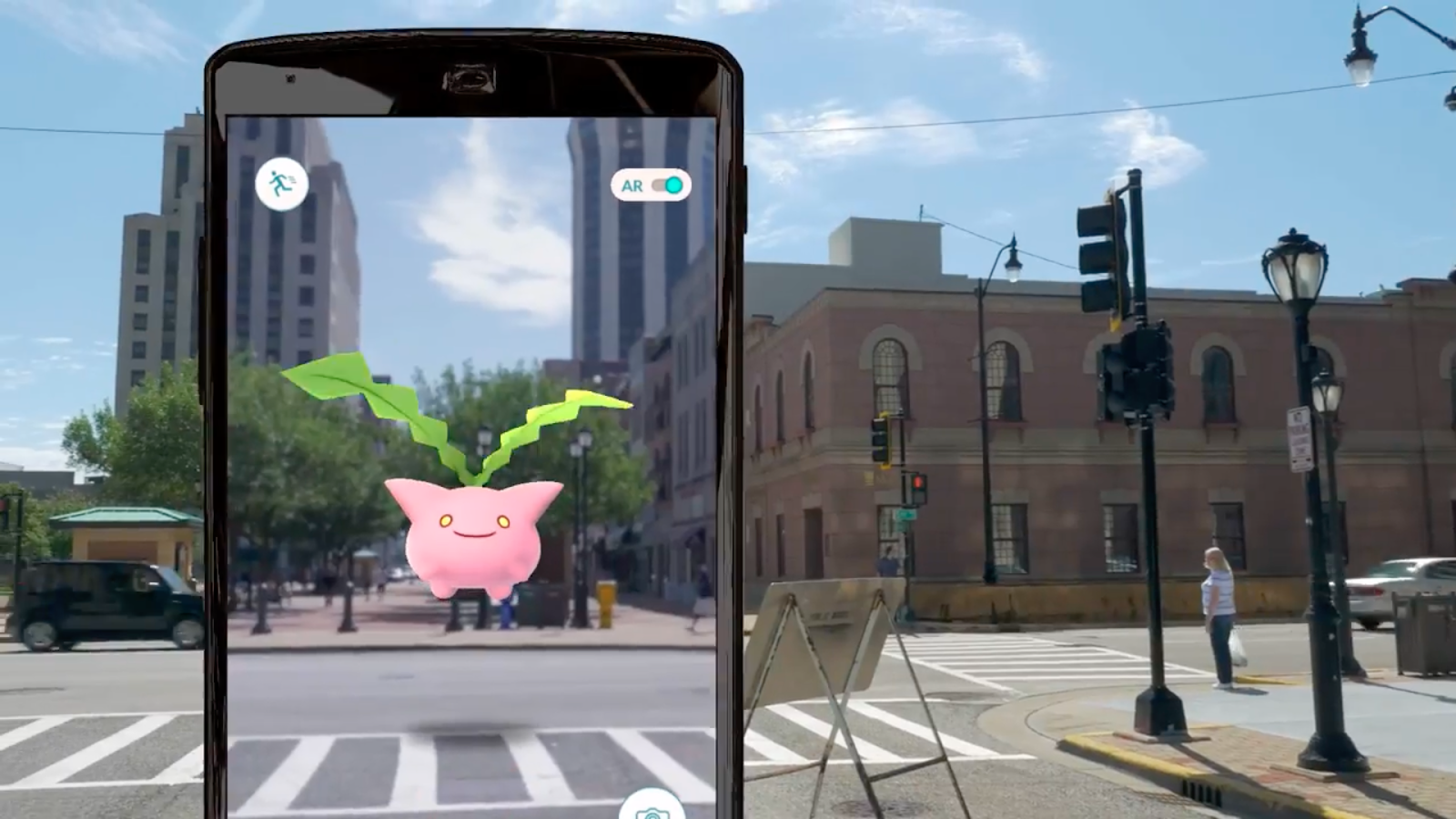
The globally popular Pokémon GO is a game that combines GPS-based location information with AR technology. By holding your smartphone over the real world, you can capture and battle Pokémon, making it feel as if Pokémon are in your everyday life
Logistics industry “DHL”
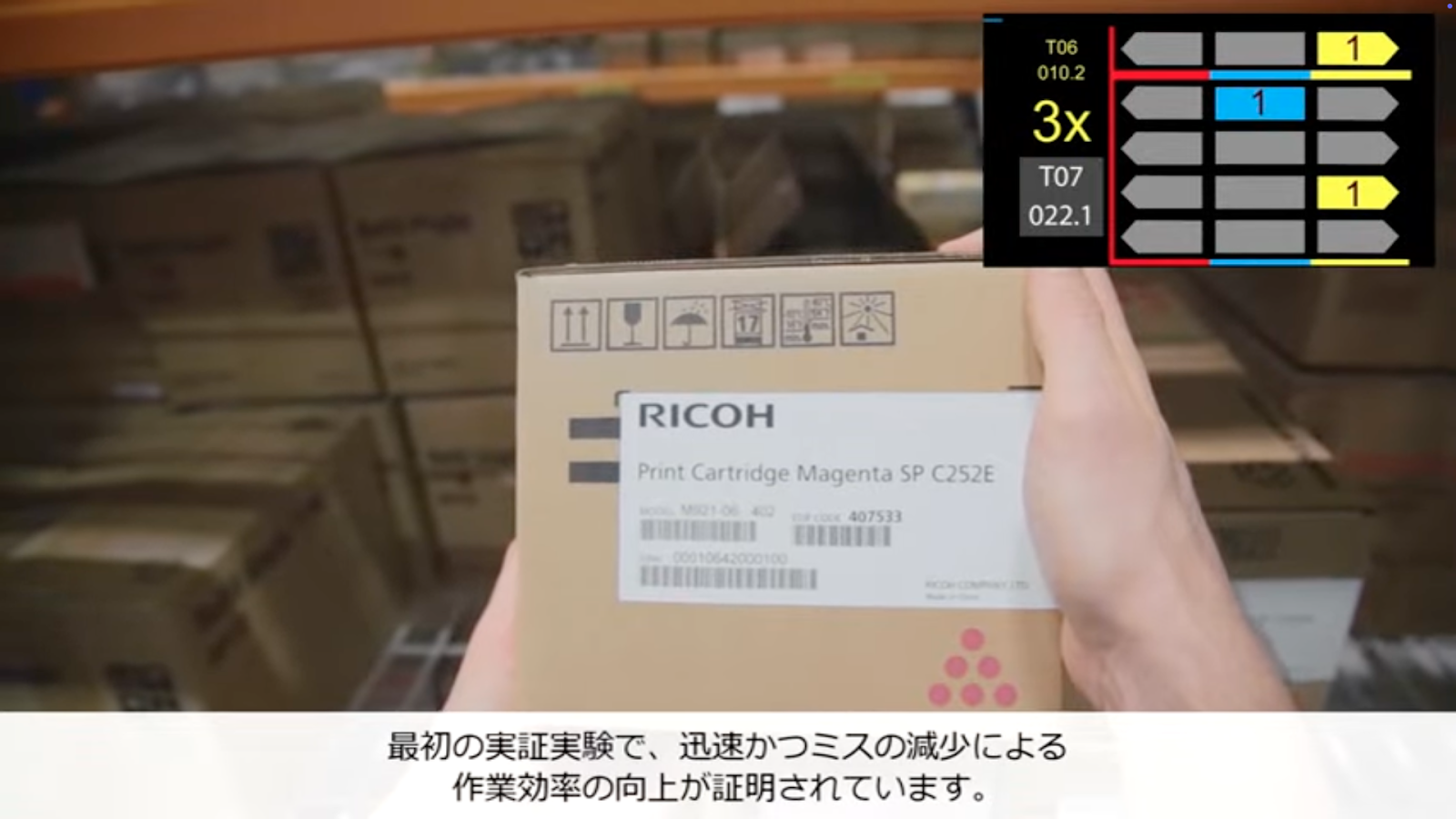
DHL, an international logistics company headquartered in Germany, has introduced smart glasses and AR technology for logging into the system and picking items from carts.
Unlike traditional order picking, which requires slips and handheld scanners, work information is displayed on the smart glasses, making it easier to understand and faster to work.
Demonstration tests have shown that work efficiency has improved.
VR Case Studies
VR, which allows for an immersive experience, is well suited to entertainment, and content such as "Metaverse," which allows for games and communication, is already popular. The Metaverse has also been introduced in education and manufacturing.
Furthermore, various companies, including Meta and Google, are developing goggles and headsets, and the market is expected to expand further as technology improves in the future.
VR attraction "RED°TOKYO TOWER"
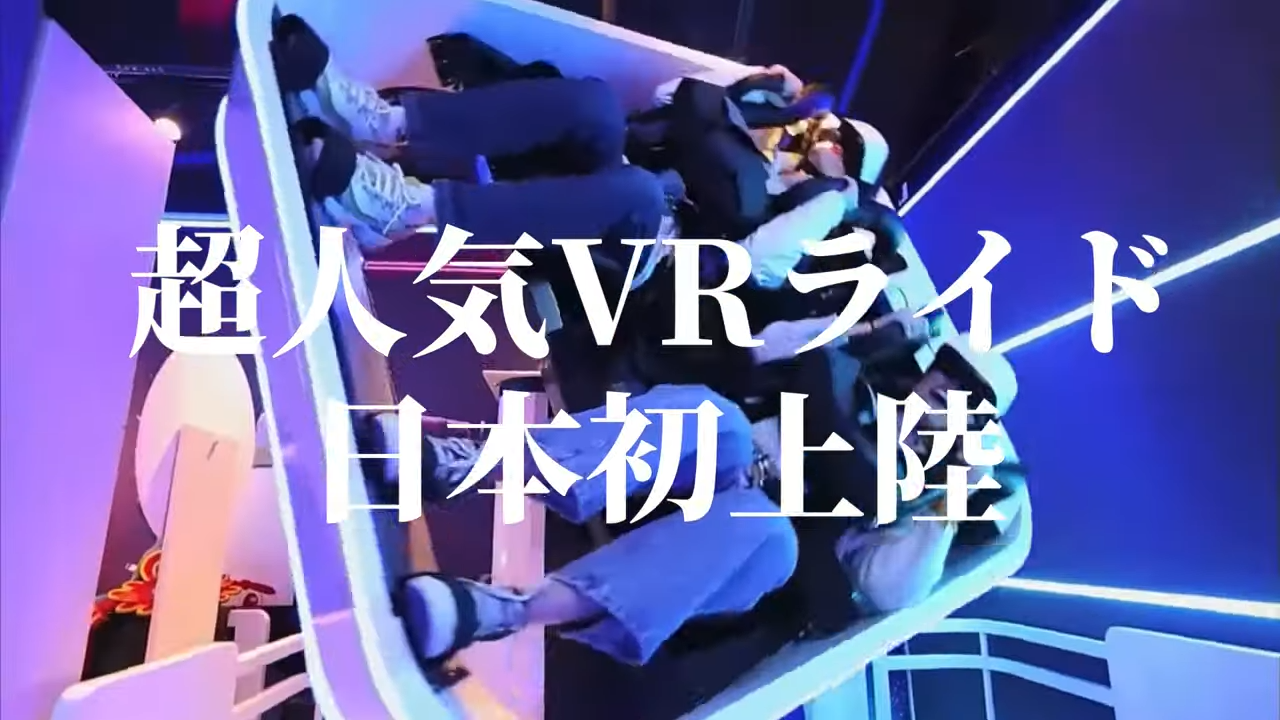
The digital amusement park "RED°TOKYO TOWER" opened a VR attraction area in January 2024. There are numerous
"VR rides" and "VR attractions" that combine VR goggles with attractions where the seats rotate 360 degrees and you feel vibrations that make you feel like you're actually driving a racing car. The combination of seat movement and VR visual effects allows you to experience a sense of realism and immersion that you wouldn't normally experience.
Kawasaki Heavy Industries' "Industrial Metaverse"
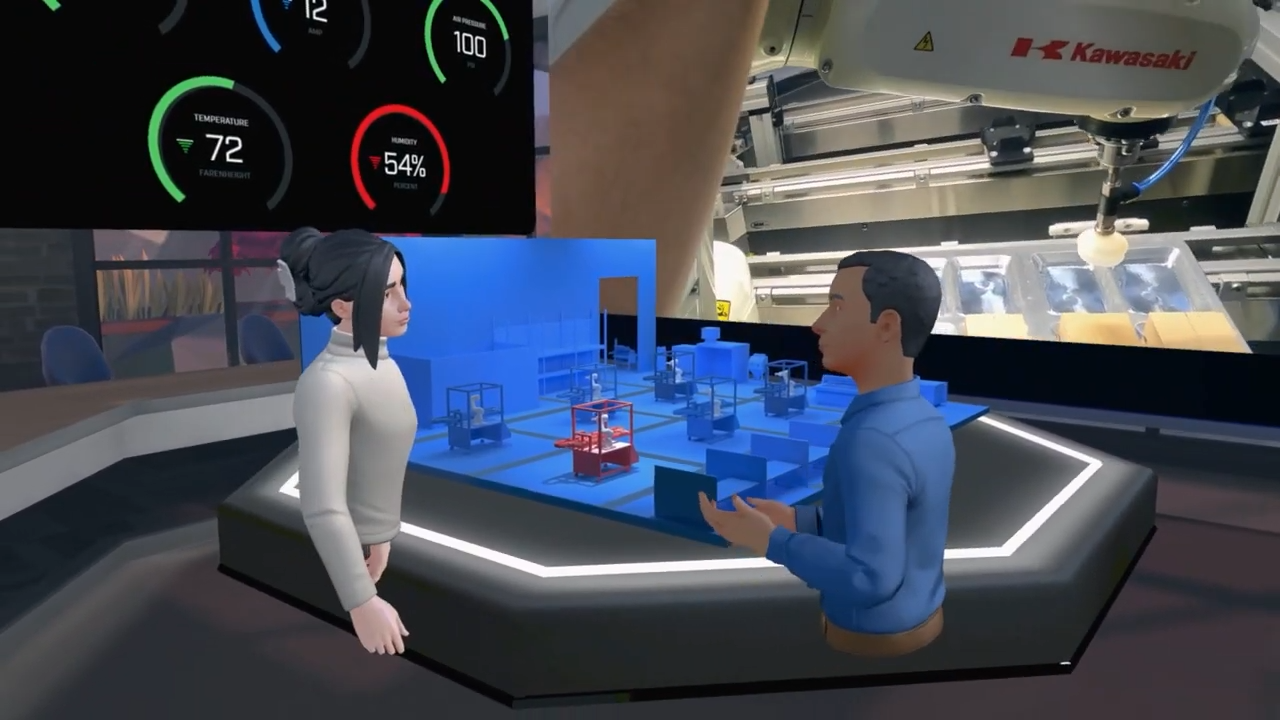
Kawasaki Heavy Industries is working with Microsoft on the "Industrial Metaverse."
The Industrial Metaverse is a metaverse space that uses "digital twins," which recreate physical assets and environments in the real world in a digital space.
Kawasaki is using Microsoft Azure (a cloud computing platform) and HoloLens (a disconnected mixed reality headset) to enable collaboration in the metaverse and remote robot operation.
MR Case Studies
Conventional MR devices have been expensive and high-performance, and have mainly been targeted at medical settings such as surgery and industry. However, devices with consumer features are now becoming more common, and the office and consumer markets are expected to expand
Mixed reality game "First Encounters"
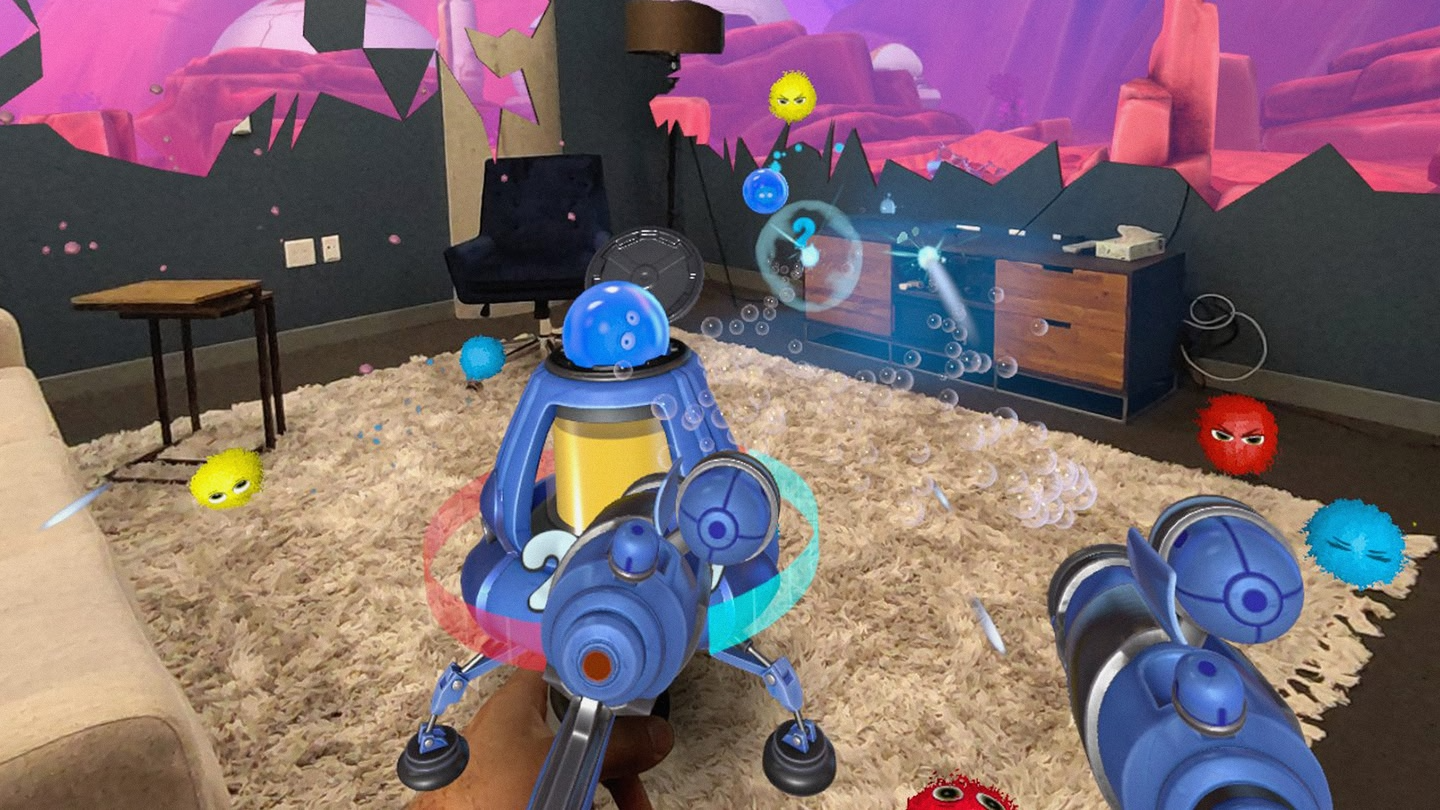
"First Encounters" is a game that can be played on the Meta Quest 3 headset developed by Meta.
It is a simple mini-game in which you shoot enemies that appear one after another in the real world, and is designed for beginners to easily experience the atmosphere and controls of mixed reality.
Toyota Motor Corporation's "Workstyle Reform for Mechanics"
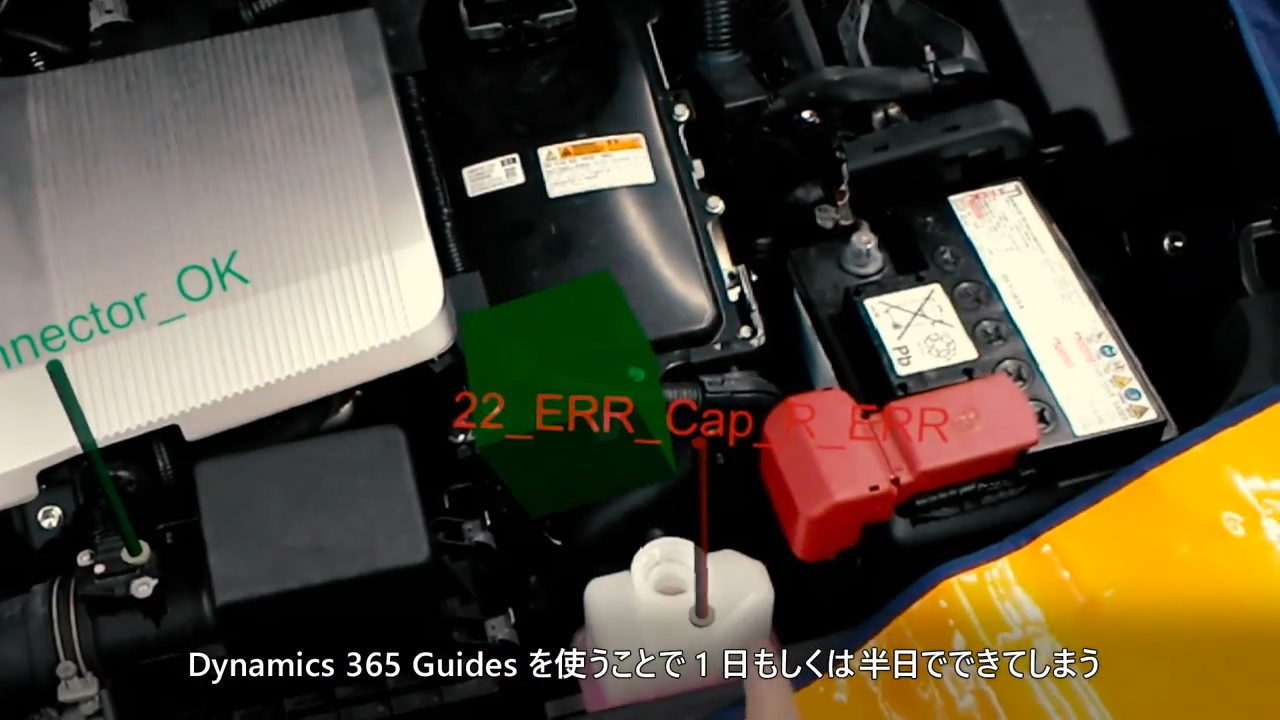
Toyota Motor Corporation is working to use HoloLens (a disconnected mixed reality headset) to improve the efficiency of automobile maintenance work and for training.
By overlaying the information and materials necessary for service engineers (mechanics) when repairing and maintaining automobiles on the actual vehicle, it helps them work accurately and efficiently.
Furthermore, by incorporating MR into training and communication with remote locations, communication and support can be provided as if the person were actually there.
Benefits of using XR in business
You can convey the image intuitively
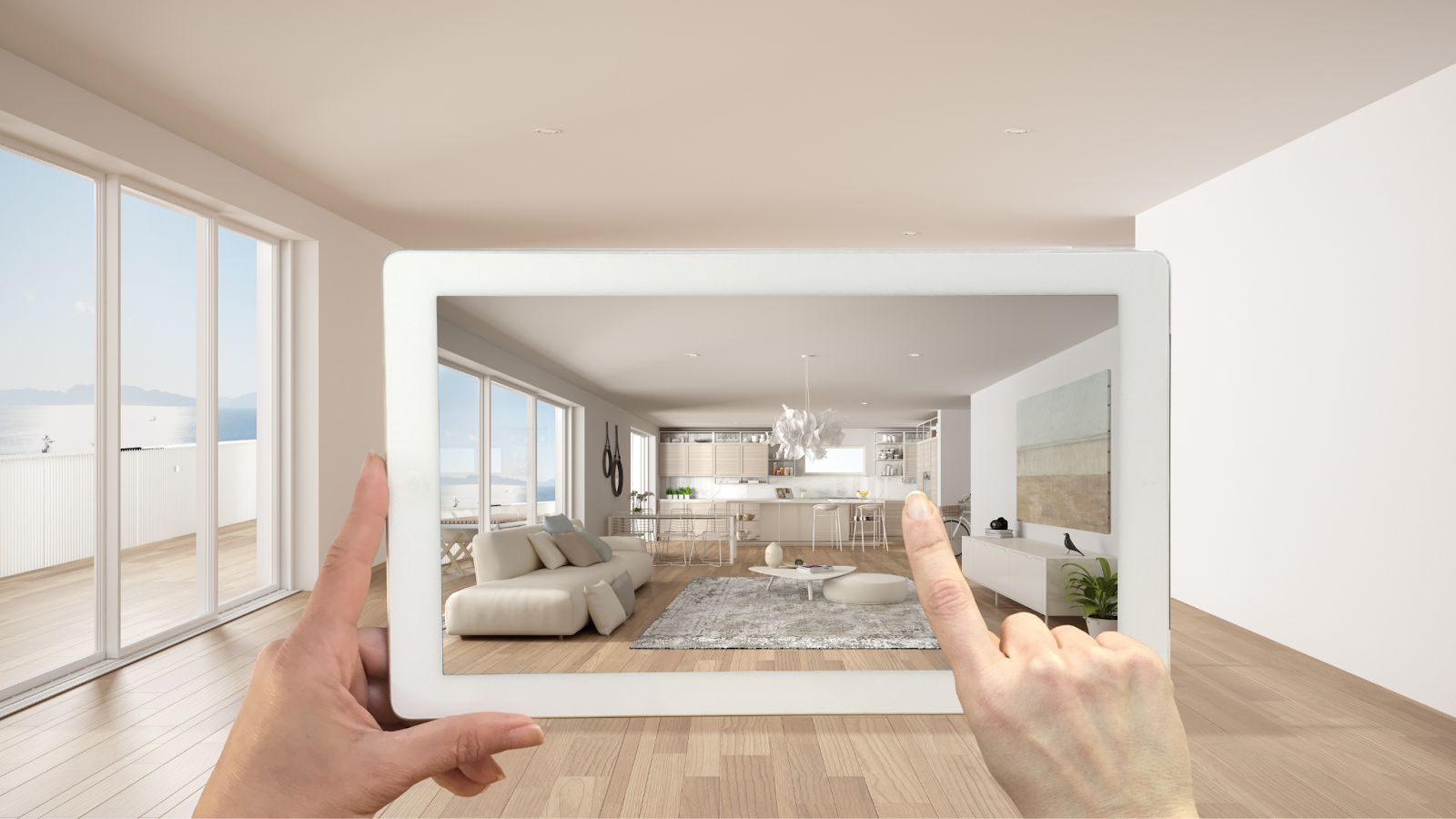
AR and MR can overlay and blend digital content onto the real world, allowing for visual information to be conveyed in an easy-to-understand manner to anyone. Particularly in areas such as shopping and simulations, they can provide a more realistic experience than text or images
- ◆ Shopping
- Users can arrange furniture in their own room, try on clothes and makeup, etc. The design, texture, size, etc. can be displayed exactly as they would in real life, which can encourage purchases and eliminate discrepancies between the product and its image, which is expected to reduce the return rate
- ◆ Manuals and training
- Because you can see the object you are operating and the reference materials at the same time, eye movements are kept to a minimum, allowing you to operate without feeling too much stress. Also, unlike paper manuals, you can check information that is tailored to the actual situation, allowing you to operate accurately
It's easy to attract customers' attention

AR allows you to overlay content of your own free imagination onto the real world. It can add value to familiar scenery and facilities, making it ideal for promotions, tourism, regional revitalization, and more.
VR, which allows users to immerse themselves in a 360° world view, is also used not only for entertainment but also for factory tours and apartment viewings. It can make industries that we don't usually have much contact with feel more familiar, increasing engagement.
Providing new experiences that are different from everyday life makes it easier to attract users' interest.
Effective for analysis and marketing
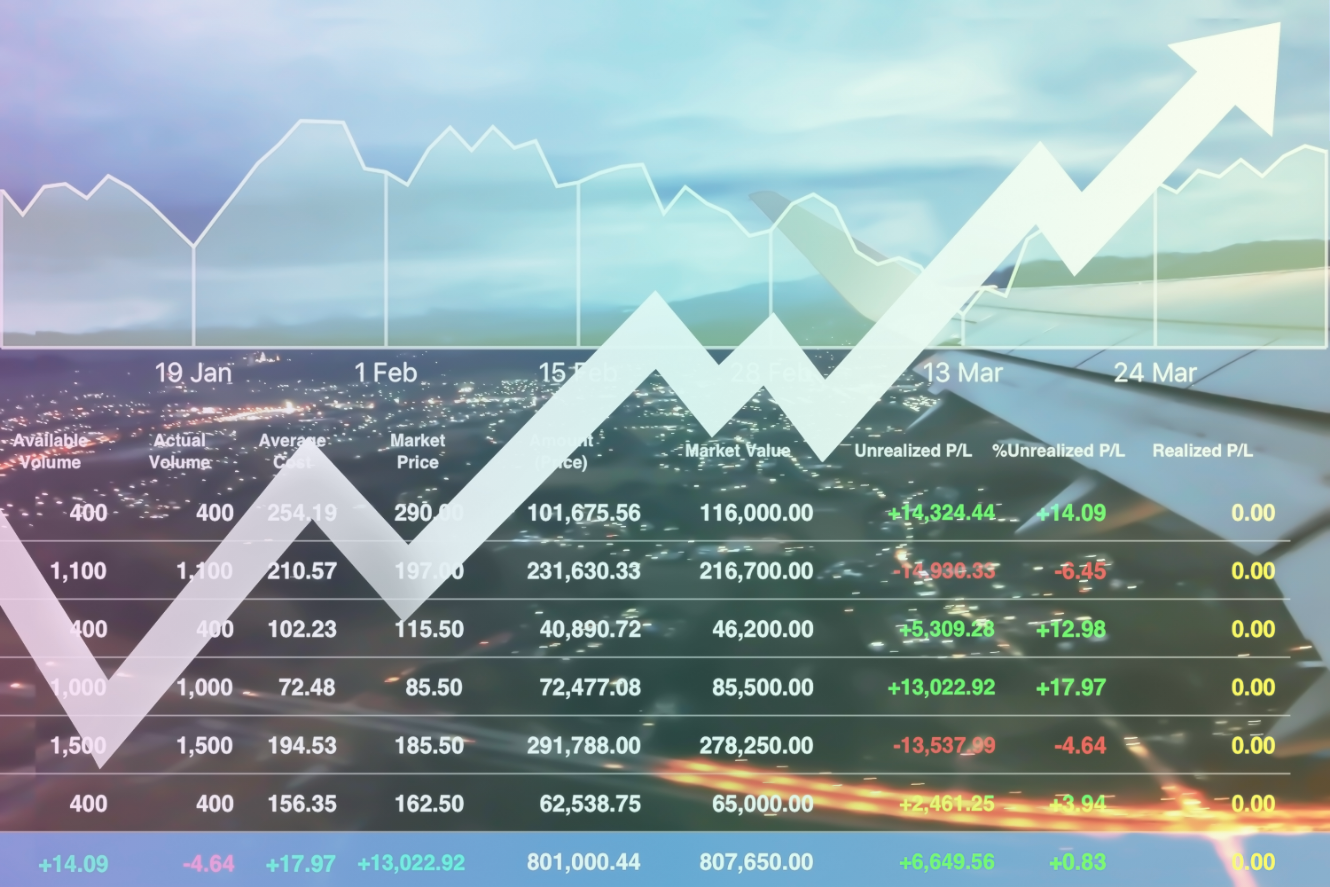
AR and other XR technologies allow for numerical analysis because they can collect data on user usage.
Visualizing necessary figures such as attendance rates and fan engagement makes it easier to identify areas for improvement and set future policies.
If you want to utilize XR, go to AR Works
Even if you want to try using AR or VR, there are many issues to consider, such as "What kind of project will appeal to customers?", "Which production company should I choose?", and "How much will it cost?", and it can be easy to find yourself unsure of where to start.
AR Works makes it possible to implement with minimal effort and cost.
Full support from a production team specializing in AR

AR Works is supported by a specialized team with extensive experience in AR production. Rather than simply "making what is requested and then finishing it," we handle everything from planning to production and delivery.
With experience providing AR-based planning and content to clients in a variety of industries, we can provide custom-made proposals tailored to your challenges and concerns.
Introducing AR Works achievements
Please see below for examples of projects created with AR Works. We introduce a variety of scenarios, including promotions, events, and customer awareness, so please take a look
▼List of achievements | AR Works
https://promotion.ar-works.jp/achievement
XR Summary
What is the difference between AR and VR?
AR is a technology that overlays digital content onto the real world, allowing users to experience an augmented reality through mobile devices.
VR, on the other hand, is a technology that allows users to enter a computer-generated virtual space, allowing them to experience "virtual reality" through a VR headset, making the virtual space feel like the real world.
Technologies such as AR, VR, and MR, which allow the real world and virtual objects to interact in real time, are collectively called XR.
XR is perfect for promotion
XR technology is being used in a wide range of fields, and has recently begun to permeate our daily lives.
XR technology can be used in a wide range of applications, from entertainment like games to business purposes like improving work efficiency and training. Its ability to easily capture the hearts of customers makes it ideal for promotions.
If you're struggling to attract customers, generate buzz, or increase awareness of your products and brands, why not consider using it as a new project?
Download the latest technology x promotional materials
This is a useful resource that introduces how to utilize cutting-edge technologies such as XR in business, along with examples of tourism experiences and promoting economic benefits.
Please feel free to download it.

![[AR experience available] The dinosaurs start moving on the spot! Examples of use of AR dinosaurs and their introduction points](https://promotion.ar-works.jp/wp-content/uploads/2025/07/icatch.jpeg)
